

Our Closest Kin — Apes, Monkeys and Lemurs This section explores the extraordinary diversity of primates, the mammal group that includes our closest living relatives. From powerful gorillas and highly intelligent chimpanzees to orangutans, gibbons, baboons, macaques, langurs, colobus monkeys and lemurs, primates display some of the most complex social behavior found in the animal kingdom. Many primates live in tightly organized communities, using vocal calls, facial expressions, gestures and physical contact to communicate and maintain social bonds. Some species use tools, solve complex problems, cooperate during feeding, and pass learned behaviors from one generation to the next. Their intelligence, memory and adaptability have made primates especially important for understanding the evolution of behavior and social life. Primates occupy a remarkable variety of habitats, from tropical rainforests and mountain forests to savannas, riverine woodlands and high-altitude environments. Their bodies are adapted for climbing, grasping and movement through trees, with flexible limbs, sensitive hands and, in many species, exceptional vision. Our Closest Kin examines not only the similarities between primates and humans, but also the remarkable diversity that has evolved within the group. It highlights their ecological importance as seed dispersers, herbivores, predators and prey, while also addressing the seri
 Vimeo
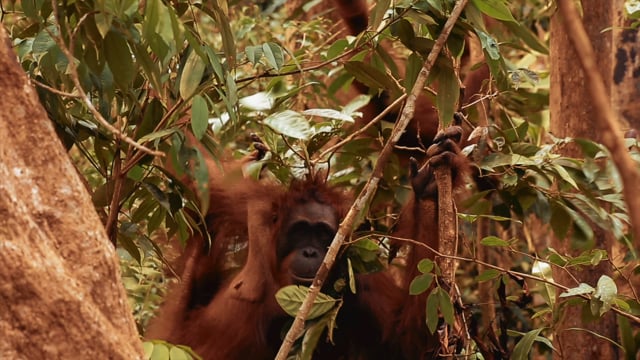
Bornean Orangutan – A large, primarily tree-dwelling great ape native to the tropical rainforests of Borneo. Recognized by its reddish-brown hair and exceptionally long arms, the Bornean orangutan spends much of its life in the forest canopy. It is highly intelligent and uses tools and elaborate sleeping nests made from branches and leaves.
Vimeo
Bornean Orangutan – A large, primarily tree-dwelling great ape native to the tropical rainforests of Borneo. Recognized by its reddish-brown hair and exceptionally long arms, the Bornean orangutan spends much of its life in the forest canopy. It is highly intelligent and uses tools and elaborate sleeping nests made from branches and leaves.
 Vimeo
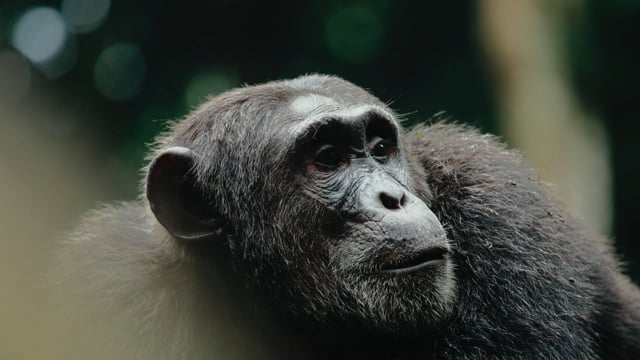
Chimpanzee – One of humanity's closest living relatives, the chimpanzee is an intelligent and highly social great ape native to tropical Africa. Chimpanzees live in complex communities, communicate through vocalizations and gestures, and use tools to obtain food. Their diet includes fruits, leaves, insects, and occasionally meat.
Vimeo
Chimpanzee – One of humanity's closest living relatives, the chimpanzee is an intelligent and highly social great ape native to tropical Africa. Chimpanzees live in complex communities, communicate through vocalizations and gestures, and use tools to obtain food. Their diet includes fruits, leaves, insects, and occasionally meat.
 Vimeo
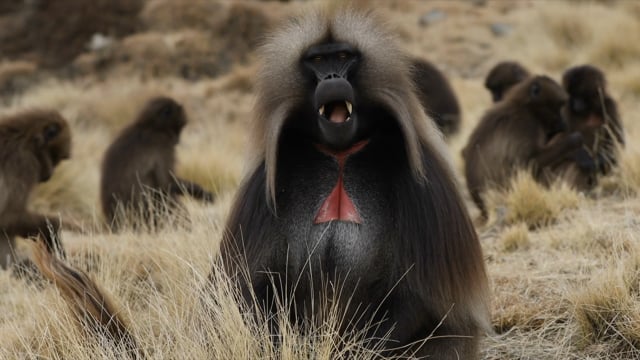
Gelada – A remarkable primate native to the Ethiopian Highlands, distinguished by its thick mane and distinctive red patch of skin on the chest. Unlike most monkeys, geladas specialize in feeding on grasses and spend much of their time grazing in mountain meadows. They live in complex social societies and communicate through an extensive range of vocalizations and facial expressions.
Vimeo
Gelada – A remarkable primate native to the Ethiopian Highlands, distinguished by its thick mane and distinctive red patch of skin on the chest. Unlike most monkeys, geladas specialize in feeding on grasses and spend much of their time grazing in mountain meadows. They live in complex social societies and communicate through an extensive range of vocalizations and facial expressions.
 Vimeo
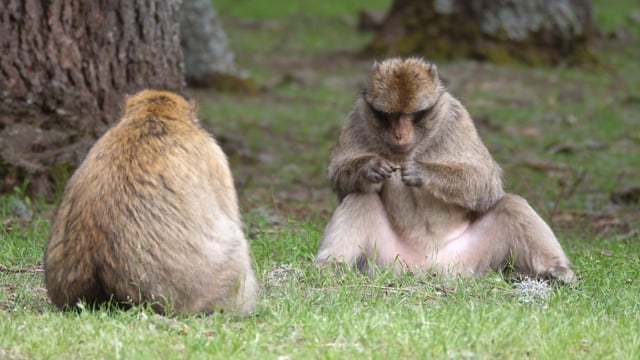
Barbary Macaque – A distinctive tailless monkey native to the mountainous forests of Morocco and Algeria, with an introduced population in Gibraltar. The Barbary macaque is the only wild nonhuman primate found in Europe. It is known for its thick fur, strong social bonds, and unusual levels of infant care by males.
Vimeo
Barbary Macaque – A distinctive tailless monkey native to the mountainous forests of Morocco and Algeria, with an introduced population in Gibraltar. The Barbary macaque is the only wild nonhuman primate found in Europe. It is known for its thick fur, strong social bonds, and unusual levels of infant care by males.
 Vimeo
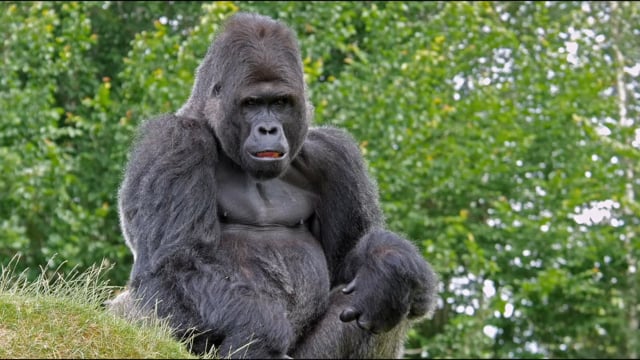
Eastern Gorilla – The largest living primate, found in the mountain and lowland forests of eastern Central Africa. Eastern gorillas are highly intelligent, social animals that live in family groups led by a mature silverback. They feed mainly on leaves, stems, fruits, and other plant material and play an important role in maintaining forest ecosystems.
Vimeo
Eastern Gorilla – The largest living primate, found in the mountain and lowland forests of eastern Central Africa. Eastern gorillas are highly intelligent, social animals that live in family groups led by a mature silverback. They feed mainly on leaves, stems, fruits, and other plant material and play an important role in maintaining forest ecosystems.
 Vimeo
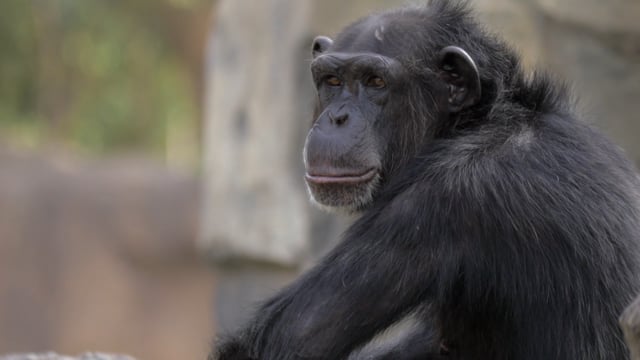
Bonobo – A great ape found exclusively in the Democratic Republic of the Congo, closely related to the chimpanzee. Bonobos are known for their strong social bonds, female-centered social relationships, and extensive use of affiliative behavior to manage social tensions. They inhabit tropical forests and feed primarily on fruits and other plant material.
Vimeo
Bonobo – A great ape found exclusively in the Democratic Republic of the Congo, closely related to the chimpanzee. Bonobos are known for their strong social bonds, female-centered social relationships, and extensive use of affiliative behavior to manage social tensions. They inhabit tropical forests and feed primarily on fruits and other plant material.
 Vimeo
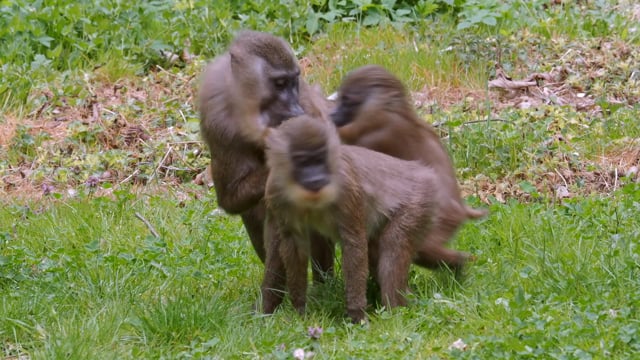
Drill – A powerful and endangered African monkey closely related to the mandrill. Native to the forests of southeastern Nigeria, western Cameroon, and Bioko Island, the drill is distinguished by its dark face, muscular body, and brightly colored rump in adult males. It lives in social groups and feeds on fruits, seeds, and small animals.
Vimeo
Drill – A powerful and endangered African monkey closely related to the mandrill. Native to the forests of southeastern Nigeria, western Cameroon, and Bioko Island, the drill is distinguished by its dark face, muscular body, and brightly colored rump in adult males. It lives in social groups and feeds on fruits, seeds, and small animals.