Skip to main content

 Vimeo
African Bush Elephant
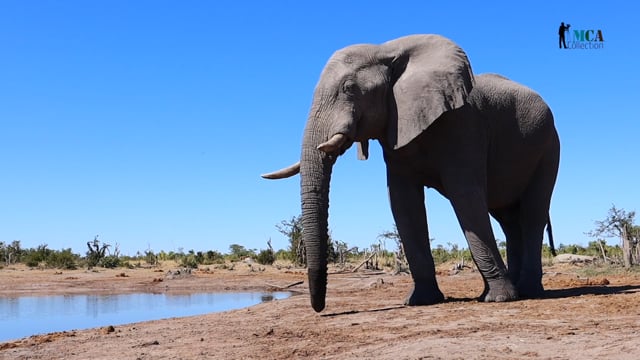
The African bush elephant is the largest living land animal, distinguished by its enormous ears, muscular trunk and long ivory tusks. It inhabits savannas, grasslands and woodlands across sub-Saharan Africa, feeding on grasses, leaves, bark and fruit. Females and their young live in closely bonded family groups led by experienced matriarchs. These elephants play an important ecological role by dispersing seeds, opening pathways through vegetation and modifying their surrounding habitats.
Vimeo
African Bush Elephant
The African bush elephant is the largest living land animal, distinguished by its enormous ears, muscular trunk and long ivory tusks. It inhabits savannas, grasslands and woodlands across sub-Saharan Africa, feeding on grasses, leaves, bark and fruit. Females and their young live in closely bonded family groups led by experienced matriarchs. These elephants play an important ecological role by dispersing seeds, opening pathways through vegetation and modifying their surrounding habitats.
 Vimeo
African Forest Elephant
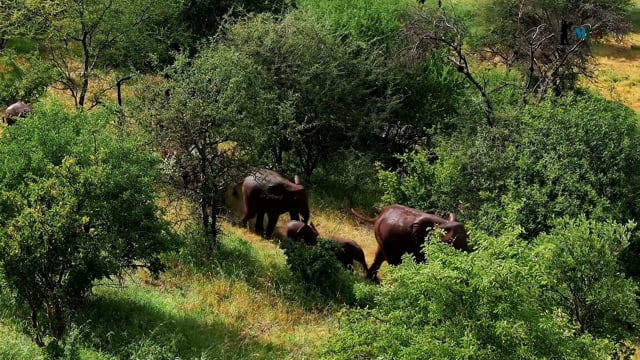
The African forest elephant is a smaller, more compact relative of the African bush elephant, adapted to life in the dense tropical forests of Central and West Africa. It has relatively rounded ears and straighter, downward-pointing tusks. Forest elephants feed on fruit, leaves, bark and other vegetation. By carrying seeds over considerable distances, they help maintain forest diversity and influence the composition and regeneration of tropical ecosystems.
Vimeo
African Forest Elephant
The African forest elephant is a smaller, more compact relative of the African bush elephant, adapted to life in the dense tropical forests of Central and West Africa. It has relatively rounded ears and straighter, downward-pointing tusks. Forest elephants feed on fruit, leaves, bark and other vegetation. By carrying seeds over considerable distances, they help maintain forest diversity and influence the composition and regeneration of tropical ecosystems.
 Vimeo
Asian Elephant
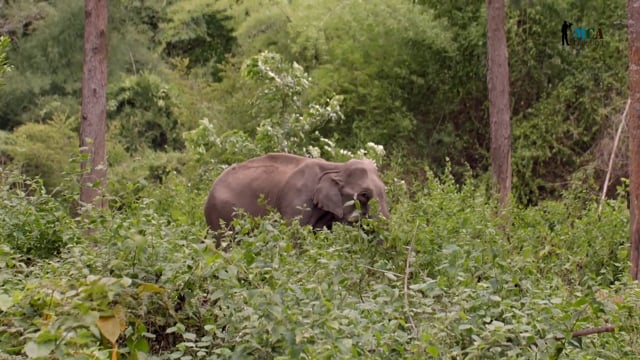
The Asian elephant is a large, intelligent mammal found in fragmented populations across South and Southeast Asia. Compared with African elephants, it has smaller ears, a more rounded back and a trunk ending in a single finger-like projection. Asian elephants inhabit forests, grasslands and scrublands, feeding on grasses, leaves, bark and fruit. Females and their offspring form social groups, while adult males often live independently or in temporary associations.
Vimeo
Asian Elephant
The Asian elephant is a large, intelligent mammal found in fragmented populations across South and Southeast Asia. Compared with African elephants, it has smaller ears, a more rounded back and a trunk ending in a single finger-like projection. Asian elephants inhabit forests, grasslands and scrublands, feeding on grasses, leaves, bark and fruit. Females and their offspring form social groups, while adult males often live independently or in temporary associations.
 Vimeo
Thailand, Lampang Thai Elephant Conservation center
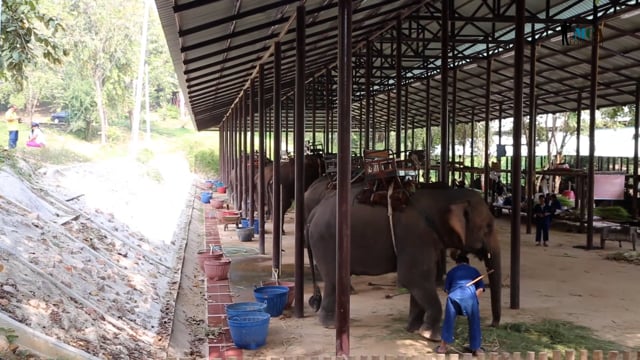
Located in the forested hills of northern Thailand, the Thai Elephant Conservation Center is dedicated to the care, rehabilitation and conservation of Asian elephants. The centre operates an elephant hospital, provides veterinary treatment and preserves traditional mahout knowledge. Visitors can observe elephants in their daily routines while learning about their biology, behaviour and cultural significance in Thailand.
Vimeo
Thailand, Lampang Thai Elephant Conservation center
Located in the forested hills of northern Thailand, the Thai Elephant Conservation Center is dedicated to the care, rehabilitation and conservation of Asian elephants. The centre operates an elephant hospital, provides veterinary treatment and preserves traditional mahout knowledge. Visitors can observe elephants in their daily routines while learning about their biology, behaviour and cultural significance in Thailand.
 Vimeo
Sri Lanka, Pinnawala Elephant Orphanage
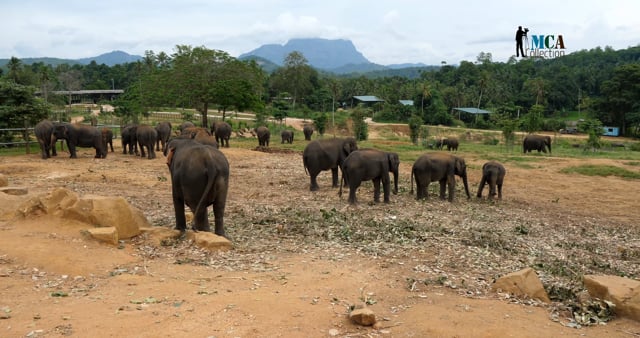
Established in 1975, Pinnawala Elephant Orphanage provides care for Asian elephants, including animals originally orphaned or separated from their herds. Located near Kegalle, the centre is known for its elephant herd and the elephants' daily visits to the nearby Maha Oya River, where visitors can observe them bathing and interacting. Pinnawala also maintains a captive breeding programme and offers an opportunity to learn about elephant behaviour and social relationships.
Vimeo
Sri Lanka, Pinnawala Elephant Orphanage
Established in 1975, Pinnawala Elephant Orphanage provides care for Asian elephants, including animals originally orphaned or separated from their herds. Located near Kegalle, the centre is known for its elephant herd and the elephants' daily visits to the nearby Maha Oya River, where visitors can observe them bathing and interacting. Pinnawala also maintains a captive breeding programme and offers an opportunity to learn about elephant behaviour and social relationships.
 Vimeo
Przewalski’s horse
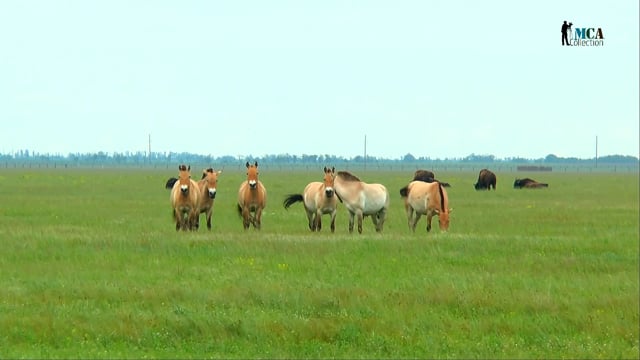
has a stocky body, short upright mane, pale muzzle and distinctive dark dorsal stripe. The species disappeared from the wild during the twentieth century but survived in captivity. Conservation breeding and reintroduction programmes have subsequently established free-ranging populations, particularly in Mongolia and other parts of Central Asia.
Vimeo
Przewalski’s horse
has a stocky body, short upright mane, pale muzzle and distinctive dark dorsal stripe. The species disappeared from the wild during the twentieth century but survived in captivity. Conservation breeding and reintroduction programmes have subsequently established free-ranging populations, particularly in Mongolia and other parts of Central Asia.
 Vimeo
Wild Boar
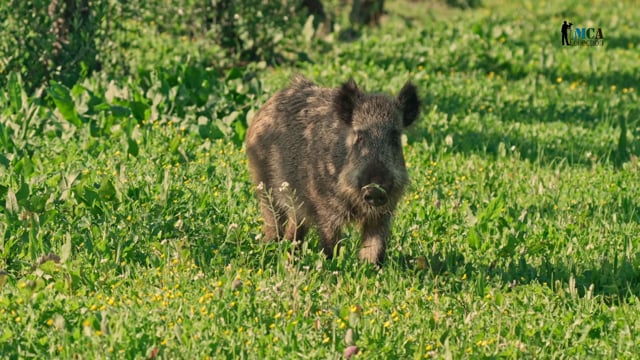
The wild boar is a robust, highly adaptable mammal native to much of Eurasia and North Africa, and introduced into many other regions. It has a powerful snout, coarse bristles and prominent canine tusks, particularly in adult males. Wild boars inhabit forests, grasslands, wetlands and agricultural landscapes. They are opportunistic omnivores, consuming roots, tubers, fruit, insects, small vertebrates and carrion, and often live in social groups led by adult females.
Vimeo
Wild Boar
The wild boar is a robust, highly adaptable mammal native to much of Eurasia and North Africa, and introduced into many other regions. It has a powerful snout, coarse bristles and prominent canine tusks, particularly in adult males. Wild boars inhabit forests, grasslands, wetlands and agricultural landscapes. They are opportunistic omnivores, consuming roots, tubers, fruit, insects, small vertebrates and carrion, and often live in social groups led by adult females.
 Vimeo
White rhinoceros
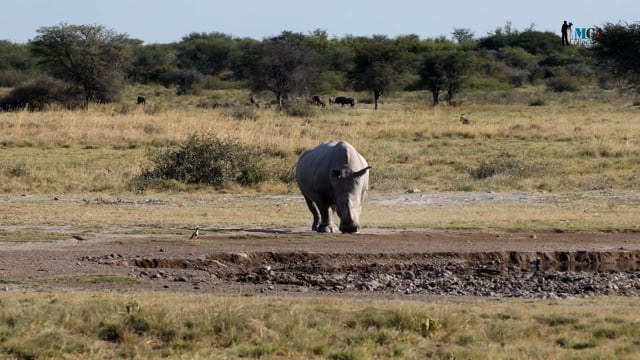
The white rhinoceros is one of the largest living terrestrial mammals, found in grasslands and savannas of southern and eastern Africa. It is characterised by two horns and a broad, square-shaped mouth adapted for grazing close to the ground. White rhinoceroses feed primarily on grasses and spend much of their time grazing and resting. They are generally more social than black rhinoceroses, with females and younger animals sometimes forming small groups.
Vimeo
White rhinoceros
The white rhinoceros is one of the largest living terrestrial mammals, found in grasslands and savannas of southern and eastern Africa. It is characterised by two horns and a broad, square-shaped mouth adapted for grazing close to the ground. White rhinoceroses feed primarily on grasses and spend much of their time grazing and resting. They are generally more social than black rhinoceroses, with females and younger animals sometimes forming small groups.
 Vimeo
Indian rhinoceros
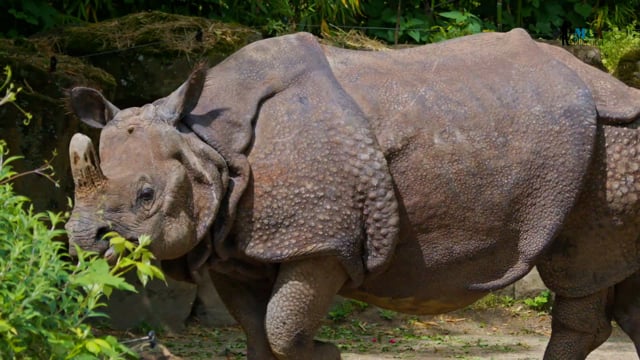
The Indian rhinoceros, also known as the greater one-horned rhinoceros, is a massive herbivore native to the northern Indian subcontinent. Its thick grey skin forms prominent folds that give it an armour-plated appearance. The species inhabits riverine grasslands, wetlands and nearby forests, feeding on grasses, leaves and aquatic vegetation. Indian rhinoceroses are strong swimmers and frequently use water and mud to cool their bodies and protect their skin.
Vimeo
Indian rhinoceros
The Indian rhinoceros, also known as the greater one-horned rhinoceros, is a massive herbivore native to the northern Indian subcontinent. Its thick grey skin forms prominent folds that give it an armour-plated appearance. The species inhabits riverine grasslands, wetlands and nearby forests, feeding on grasses, leaves and aquatic vegetation. Indian rhinoceroses are strong swimmers and frequently use water and mud to cool their bodies and protect their skin.
 Vimeo
Black rhinoceros
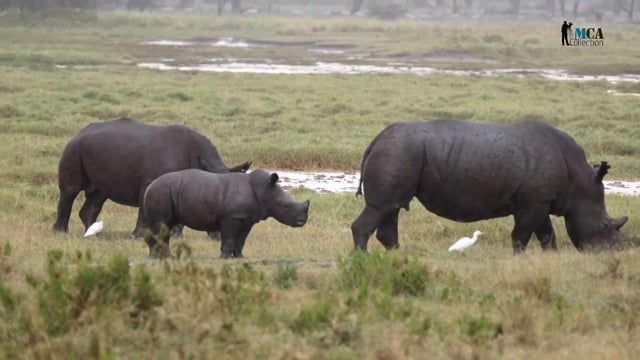
The black rhinoceros inhabits savannas, shrublands and wooded environments in parts of eastern and southern Africa. It is distinguished from the white rhinoceros by its pointed, flexible upper lip, which is adapted for grasping leaves, shoots and branches. Black rhinoceroses are primarily browsers and usually live alone, although mothers remain with their calves. Their survival is threatened by poaching for their horns and the loss and fragmentation of suitable habitat.
Vimeo
Black rhinoceros
The black rhinoceros inhabits savannas, shrublands and wooded environments in parts of eastern and southern Africa. It is distinguished from the white rhinoceros by its pointed, flexible upper lip, which is adapted for grasping leaves, shoots and branches. Black rhinoceroses are primarily browsers and usually live alone, although mothers remain with their calves. Their survival is threatened by poaching for their horns and the loss and fragmentation of suitable habitat.
 Vimeo
South American tapir
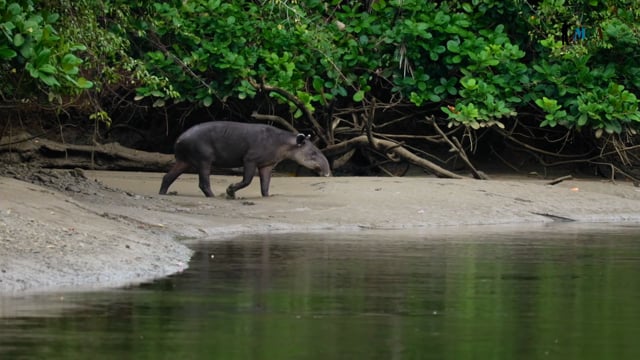
The South American tapir is a large, heavily built herbivore found across much of tropical South America. It has a short, flexible trunk-like snout used to grasp leaves, fruit and other vegetation. Tapirs inhabit forests, wetlands and areas near rivers, where they frequently enter water to cool themselves or escape danger. As consumers and dispersers of many forest fruits, they contribute to the regeneration and ecological diversity of tropical forests.
Vimeo
South American tapir
The South American tapir is a large, heavily built herbivore found across much of tropical South America. It has a short, flexible trunk-like snout used to grasp leaves, fruit and other vegetation. Tapirs inhabit forests, wetlands and areas near rivers, where they frequently enter water to cool themselves or escape danger. As consumers and dispersers of many forest fruits, they contribute to the regeneration and ecological diversity of tropical forests.
 Vimeo
Malayan Tapir
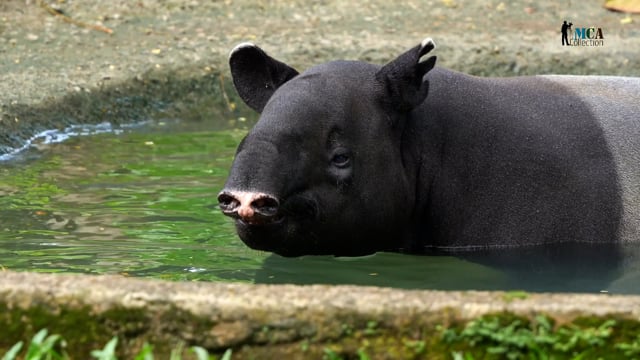
The Malayan tapir is the largest living tapir and the only surviving tapir species native to Asia. It is easily recognised by its distinctive black-and-white body, with a broad pale section extending across the back and sides. It inhabits tropical forests of the Malay Peninsula and Sumatra, usually remaining close to water. Primarily nocturnal and solitary, the Malayan tapir feeds on leaves, twigs, shoots and fallen fruit.
Vimeo
Malayan Tapir
The Malayan tapir is the largest living tapir and the only surviving tapir species native to Asia. It is easily recognised by its distinctive black-and-white body, with a broad pale section extending across the back and sides. It inhabits tropical forests of the Malay Peninsula and Sumatra, usually remaining close to water. Primarily nocturnal and solitary, the Malayan tapir feeds on leaves, twigs, shoots and fallen fruit.
 Vimeo
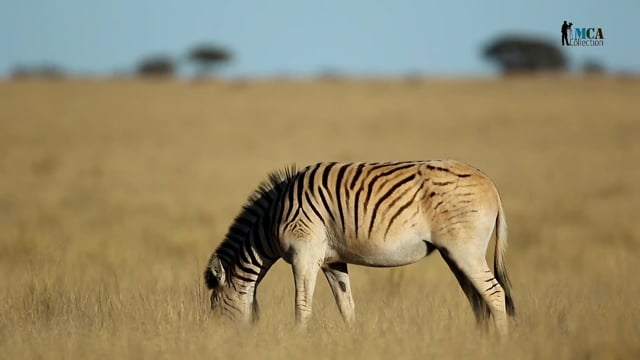
Plains Zebra
The plains zebra is the most widespread zebra species, inhabiting grasslands, savannas and open woodlands across eastern and southern Africa. Each animal possesses a distinctive pattern of black-and-white stripes, which varies between individuals. Plains zebras are social grazers that commonly form family groups consisting of a stallion, several mares and their offspring. They frequently associate with other herbivores and undertake seasonal movements in response to changing grazing conditions.
Vimeo
Plains Zebra
The plains zebra is the most widespread zebra species, inhabiting grasslands, savannas and open woodlands across eastern and southern Africa. Each animal possesses a distinctive pattern of black-and-white stripes, which varies between individuals. Plains zebras are social grazers that commonly form family groups consisting of a stallion, several mares and their offspring. They frequently associate with other herbivores and undertake seasonal movements in response to changing grazing conditions.
 Vimeo
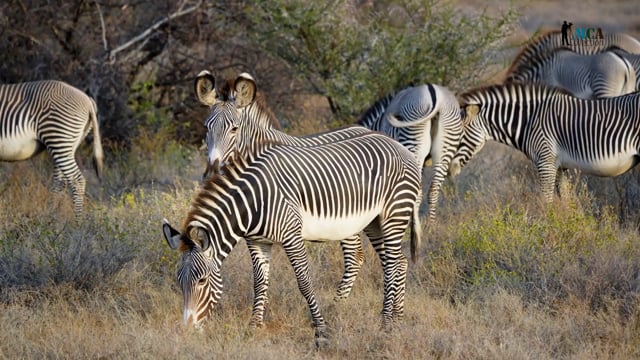
Grévy’s zebra
Grévy’s zebra is the largest living wild equid and is distinguished by its narrow stripes, large rounded ears and white belly. It inhabits semi-arid grasslands and scrublands in Kenya and Ethiopia, where it feeds mainly on grasses. Unlike plains zebras, Grévy’s zebras do not normally maintain permanent harem groups. Their social organisation is relatively fluid, with temporary associations forming around resources such as water and grazing areas.
Vimeo
Grévy’s zebra
Grévy’s zebra is the largest living wild equid and is distinguished by its narrow stripes, large rounded ears and white belly. It inhabits semi-arid grasslands and scrublands in Kenya and Ethiopia, where it feeds mainly on grasses. Unlike plains zebras, Grévy’s zebras do not normally maintain permanent harem groups. Their social organisation is relatively fluid, with temporary associations forming around resources such as water and grazing areas.
 Vimeo
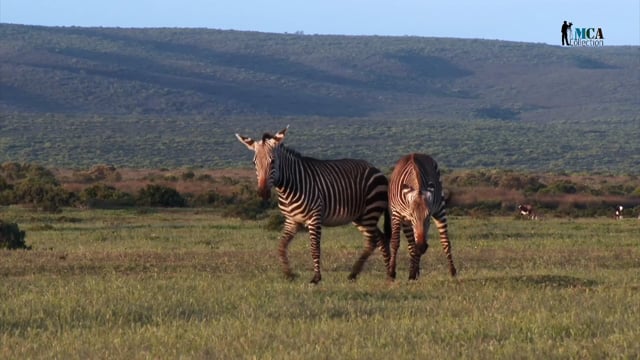
Mountain Zebra
The mountain zebra inhabits rocky hills, mountains and open grasslands in parts of southern Africa. It is recognised by its relatively broad stripes, white belly and distinctive fold of skin beneath the throat. Mountain zebras are agile climbers, capable of navigating steep and uneven terrain. They feed primarily on grasses and generally live in small family groups consisting of a stallion, mares and their offspring.
Vimeo
Mountain Zebra
The mountain zebra inhabits rocky hills, mountains and open grasslands in parts of southern Africa. It is recognised by its relatively broad stripes, white belly and distinctive fold of skin beneath the throat. Mountain zebras are agile climbers, capable of navigating steep and uneven terrain. They feed primarily on grasses and generally live in small family groups consisting of a stallion, mares and their offspring.
 Vimeo
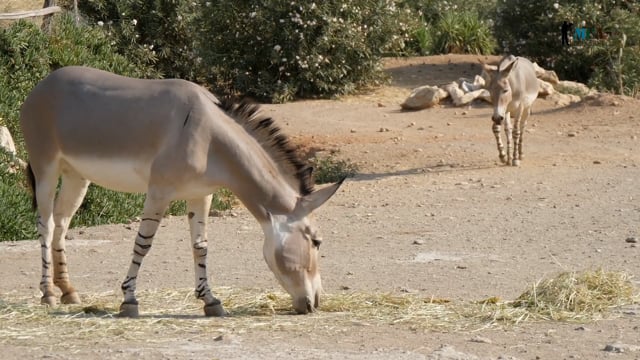
African Wild Ass
The African wild ass is a rare wild equid native to the arid landscapes of northeastern Africa, particularly Eritrea and Ethiopia. It is recognised by its long ears, pale grey coat, dark dorsal stripe and narrow, hard hooves adapted to rocky terrain. African wild asses feed on grasses, shrubs and other sparse desert vegetation. This species is the wild ancestor of the domestic donkey and is threatened by hunting, competition for resources and habitat pressures.
Vimeo
African Wild Ass
The African wild ass is a rare wild equid native to the arid landscapes of northeastern Africa, particularly Eritrea and Ethiopia. It is recognised by its long ears, pale grey coat, dark dorsal stripe and narrow, hard hooves adapted to rocky terrain. African wild asses feed on grasses, shrubs and other sparse desert vegetation. This species is the wild ancestor of the domestic donkey and is threatened by hunting, competition for resources and habitat pressures.
